Meme coin: what a live session with a top Solana trader actually shows
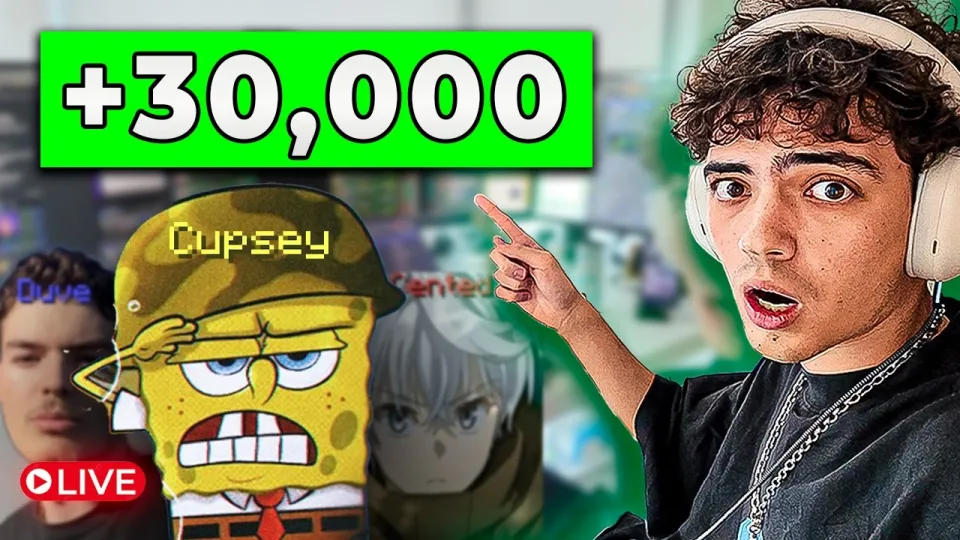
Video: I Traded With The World’s #1 Memecoin Trader
Need articles like this for your video? They help promote it on YouTube and Google — order them in the Telegram bot @sat_sit_bot. It writes articles around your video, embeds the video and publishes them on popular niche websites (no ads). Try it free: 50 articles on us.
Key takeaways
- A live session on Solana meme coins produced more than 350 SOL in realised gains across a handful of trades, including roughly +200 SOL on the first two positions.
- Trades were built around narratives: a dog-themed coin, an AI-themed coin tied to a chatbot release, and a dev-linked "magic internet money" token.
- One position reportedly added about $15K on a single Elon Musk-adjacent narrative trade.
- The trader's public wallet address is shared openly, so entries can be reviewed after the fact rather than taken on trust.
- This is speed trading on brand-new pairs, often 10+ hours a day — the hardest style in the market, not a beginner template.
A meme coin is a crypto token whose value comes almost entirely from community attention and narrative rather than cash flow, and a live session with one of Solana's most active meme coin traders shows that the edge lies in speed, sizing and exits — not in picking a "good project". In the session, a handful of positions on new Solana pairs produced more than 350 SOL in realised gains, with the first two trades alone accounting for roughly +200 SOL. Anyone who wants to watch the same terminal and order flow can start with a registration through this trading terminal link.
What a meme coin actually is and why Solana hosts most of them
A meme coin has no product roadmap requirement: supply is usually minted in minutes on a launchpad, liquidity is seeded on a decentralised exchange, and price is driven by whoever shows up first. Solana became the default home for this because transaction fees are fractions of a cent and block times are short, so a launch, a snipe and an exit can all happen inside a minute. On launchpads such as pump.fun, a token can go from creation to a live market without anyone filing an application, which is why thousands appear daily and only a tiny fraction hold value for more than a few hours.
The practical consequence is that meme coin trading is a narrative business. In the session, the trades were grouped around stories a buyer could grasp in one sentence: a dog-themed ticker, an AI-themed coin timed to a chatbot release, and a developer-linked "magic internet money" token. The trader did not analyse balance sheets; he judged whether a story was spreading and whether he could get out before it stopped spreading.
The trades that defined the session
Concrete numbers matter more than adjectives, so here is what the session actually contained. The first two positions — a dog-named coin and a ticker reading "1%" — combined for roughly +200 SOL. A single trade built on an Elon Musk-adjacent AI narrative reportedly added about $15K. An AI-themed coin described as a "cook" contributed around +80 SOL. The final position closed out the session before the trader wrapped up.
Three things stand out in that list. First, size was concentrated: two trades produced the majority of the result, which means the outcome depended on a small number of decisions rather than a broad portfolio. Second, the holding periods were short — these are not positions you check the next morning. Third, the narratives were borrowed from outside crypto: a chatbot launch, a public figure's post, a developer's reputation. That is the actual research process in this niche.
How the workflow runs, step by step
Speed trading on new pairs follows a repeatable loop, and the loop is more important than any single call.
- Watch the launch feed. New pairs on Solana arrive constantly; the job is filtering for ones with immediate social traction rather than reading every chart.
- Check the contract and the dev. Mint authority, holder concentration and the creator's history decide whether a token is worth a position at all.
- Size before you enter. Decide the maximum loss in SOL first, then convert that into a position size — never the other way round.
- Enter early and set an exit rule. Most of these trades are measured in minutes; a plan that requires patience is the wrong plan here.
- Take profit in tranches. Selling part of the position on the first spike removes the pressure to guess the top.
- Log the result. The trader's wallet is public, which makes post-trade review possible — the same discipline works for anyone at any size.
Following a top trader without copying the risk
The trader's Solana wallet address is shared publicly, and the co-trader featured in the session has an active X account, so anyone can audit entries after the fact instead of trusting screenshots. That transparency is useful, but it creates a trap: copying a wallet means entering after the move that made the wallet worth copying.
Copy trading in meme coins is structurally late. By the time a position appears in a public tracker, the price has already repriced, and the copy trader absorbs the slippage and the exit risk. A more realistic approach is to study the pattern — which narratives get bought, how quickly positions are trimmed, how much is left running — and then apply it at a size where a total loss does not end the account. Someone with 1.3 SOL cannot run the same playbook as someone moving hundreds of SOL, because fees, slippage and minimum position sizes hit small accounts disproportionately hard.
The questions viewers keep asking
"Is this even possible for a normal account?" The gains are real in the session, but they came from full-time screen time on the fastest, most competitive pairs in crypto. The honest framing is that this is a professional speed-trading desk, not a side hustle.
"What does 'faucets' mean here?" In this context it refers to sources of fresh capital and fresh flow — new wallets, new launches, new attention — that keep a trader funded and supplied with setups. It is jargon, not a strategy.
"Aren't these the same people multi-walleting against retail?" Some large traders do run multiple wallets, and launchpad markets are adversarial by design. That is a reason to size small and to avoid buying into a vertical candle, not a reason to assume every profitable wallet is cheating.
"Do I have to trade this way to win?" No. Larger-cap tokens, longer holds and slower narratives are legitimate styles with far better survival rates for people who cannot watch a screen for ten hours. The session is inspiration and a look at the mechanics, not a required path.
Useful links
- Trading terminal used in the session (registration): https://trade.padre.gg/rk/prosper
- Ethan Prosper's link hub: https://ethanprosper.com
- Co-trader's X account: https://x.com/cupseyy
- Free Discord community (SOLMAFIA): https://discord.gg/solmafia
- Paid Discord (Pastel): https://www.joinpastel.com/r/ref=ETHAN
Bottom line
This meme coin session is a clear look at how the top end of Solana speed trading operates: concentrated size, narrative-driven entries, exits measured in minutes and a public wallet that lets anyone verify the numbers afterwards. The results — over 350 SOL across a few trades, including roughly +200 SOL on the first two and about +80 SOL on an AI-themed coin — are genuine but not transferable to someone trading an hour a day. The channel Ethan Prosper uses the session to show the mechanics rather than sell a shortcut, and that framing is the useful part: learn the loop, size for total loss, and treat the highlight reel as a benchmark rather than a target. If you want to see the same order flow, start through the terminal registration link and paper-trade the process before risking real SOL.
Questions & answers
How much capital do you need to trade meme coins the way the session shows?
The session involved positions large enough to produce 200+ SOL from two trades, which implies a bankroll far beyond typical retail size. For smaller accounts, the practical minimum is whatever you can lose entirely without changing your finances, because new Solana pairs can go to zero within minutes. Fees and slippage also eat a much larger share of small positions.
Is copy trading a top meme coin wallet a good strategy?
It is structurally late: by the time a trade appears in a public tracker, the price has already moved and you absorb the slippage on both entry and exit. A better use of a public wallet is studying patterns — which narratives get bought, how fast positions are trimmed — and applying them at a size you control.
Why are most meme coins launched on Solana rather than Ethereum?
Solana's low fees and fast block times let a token be created, bought and sold within a minute, which suits launchpad culture. On Ethereum, gas costs alone can exceed the value of a small position, so new-pair speculation concentrates where transactions are cheap.
Do you have to trade brand-new pairs to make money in meme coins?
No. Speed trading on fresh launches is the most competitive and demanding style, often requiring ten or more hours of screen time daily. Larger-cap tokens and slower narrative plays carry different risks and are far more compatible with a normal schedule.
Source: I Traded With The World’s #1 Memecoin Trader · Markdown version